
Ready Before It Happens: The New Standard for Public Safety
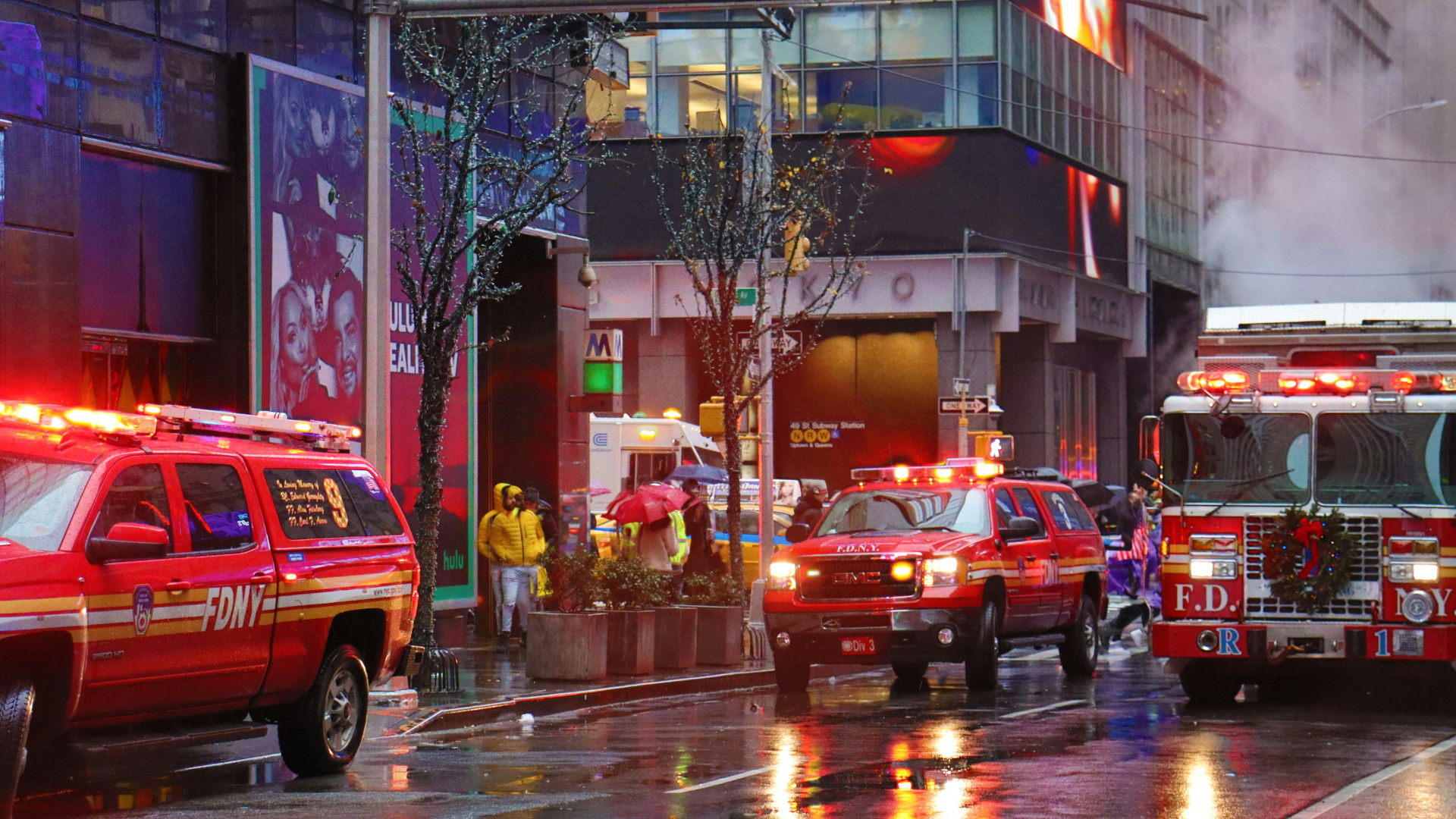
An Established Expectation
In today’s world, the public no longer judges leaders based on whether a crisis occurs. They judge them on whether they were prepared for it. This expectation fundamentally changes what it means to be ready for the unthinkable.
For decades, public safety preparedness has been defined by operational readiness: plans, policies, training exercises, and after-action reviews. These remain essential. But they are no longer sufficient on their own. In an era defined by decentralized threats, real-time information flow, and heightened public scrutiny, preparedness must also include the ability to communicate clearly, credibly, and with humanity, the moment the crisis starts.
Because when something happens, the clock doesn’t start when leadership is ready. It starts the moment the public becomes aware.
We have previously written about what we call the 10-Minute Crisis Test. This is all about the idea that most organizations don’t fail during the crisis itself; they fail in the first 10 minutes. This failure isn’t because they lack the capability to respond, but because they lack the alignment necessary to respond quickly and effectively. They hesitate. They wait for more information. They defer to their internal, often cumbersome, process. And in that silence, a narrative begins to form without them.
In 2026, silence isn’t understandable: it’s a failure.
This reality is compounded by an evolving threat landscape. Incidents are increasingly driven by lone actors, decentralized networks, and rapidly shifting dynamics that outpace traditional response models. Information spreads instantly. Misinformation spreads faster. And the public, accustomed to immediate updates in every other aspect of life, expects the same from their leaders in moments of uncertainty.
The result is a widening gap between operational readiness and public perception.
Agencies have invested heavily in systems to respond to incidents. Far fewer have invested in systems to respond to perception. Yet it is perception that ultimately determines trust. Perception is what determines whether a community believes its leaders are competent, transparent, and in control. We often say, they won’t necessarily remember what you did, or even what you said, but they will remember how they felt. And that drives perception.
Perception Requires Preparedness
Preparedness is not a plan sitting on a shelf. Though you certainly need a plan. True preparation is more than words on paper; it's the system you’ve built to respond in the moment it's needed.
You need a system that anticipates both operational risk and narrative risk. A system that aligns policy, leadership, and messaging before a crisis occurs. A system that enables agencies to act decisively in the field while communicating with clarity, consistency, and empathy with the community you serve. And critically, you need a system that extends beyond the immediate response to include the long-term work of rebuilding trust and reinforcing credibility.
This integrated approach is no longer optional. It is the new standard.
In a recent conversation between 21 CP’s Deborah Spence, former Assistant Director at the U.S. Department of Justice’s COPS Office, and Dr. Eric Kowalczyk of Connection Point, this shift came into focus. Together, they explored how modern threats demand a new mode of operation. One that brings together operational expertise and strategic communication into a unified preparedness framework.
The takeaway is clear: the question is no longer whether something will happen. The question is whether you have done the work so that, when it does, your community believes you were ready.
Because “we didn’t know” will never be enough. And silence is no longer an option.
To learn more about Connection Point and how we can work with you to design a new system of preparedness, please visit: teamcp.co/services
